
Home/Resources/Blog/FMEA, Bowtie & Risk
2 min. read
This blog is part of a series of blogs published by UReason about failure modes and effect analysis of essential components that are common in various industrial processes such as control valves, pneumatic actuators, electrical actuators, motors, and centrifugal pumps. If you want to skip to a specific section, use the controls below:
Part 1 – Introduction to FMEA & FMECA
Part 2 – The Process of Establishing an FMEA/FMECA
Part 3 – Failure Modes of Control Valves
Part 4 – Failure Modes of Pneumatic Actuators
Part 5 – Failure Modes of Electric Actuators
Part 6 – Failure Modes of Solenoid Valves
Part 7 – Mapping Control Valve Failure Modes to an FMEA
Part 8 – Bringing it All Together: Continuous Failure Monitoring on Control Valves
Pneumatic actuators are commonly used in industrial processes to control the movement of valves, dampers, and other mechanical components. These actuators rely on compressed air or gas to generate motion and perform their functions. Like any mechanical component, pneumatic actuators can experience various failure modes. Here are some common pneumatic actuator failure modes:
A sudden loss of air supply to the actuator can result in a loss of control or the actuator becoming stuck in its current position.
Air leaks can occur in the actuator’s pneumatic system, leading to a gradual loss of pressure and reduced actuator performance. Common areas for leaks include seals, O-rings, and pneumatic connections.
The actuator’s internal components, such as the piston or seals, may become stuck or bind due to debris, corrosion, or improper lubrication. This can prevent the actuator from moving smoothly or at all.
If the actuator is slow to respond to control signals, it can result in poor process control and potentially compromise the safety and efficiency of the system.
Components within the actuator, such as the piston and cylinder walls, can wear over time, affecting the actuator’s performance and longevity.
Damage to the actuator’s cylinder, such as dents or scoring, can impair its ability to function properly.
Pneumatic actuators are often used to control valves. Errors in valve positioning can occur due to actuator failures, leading to improper flow control.
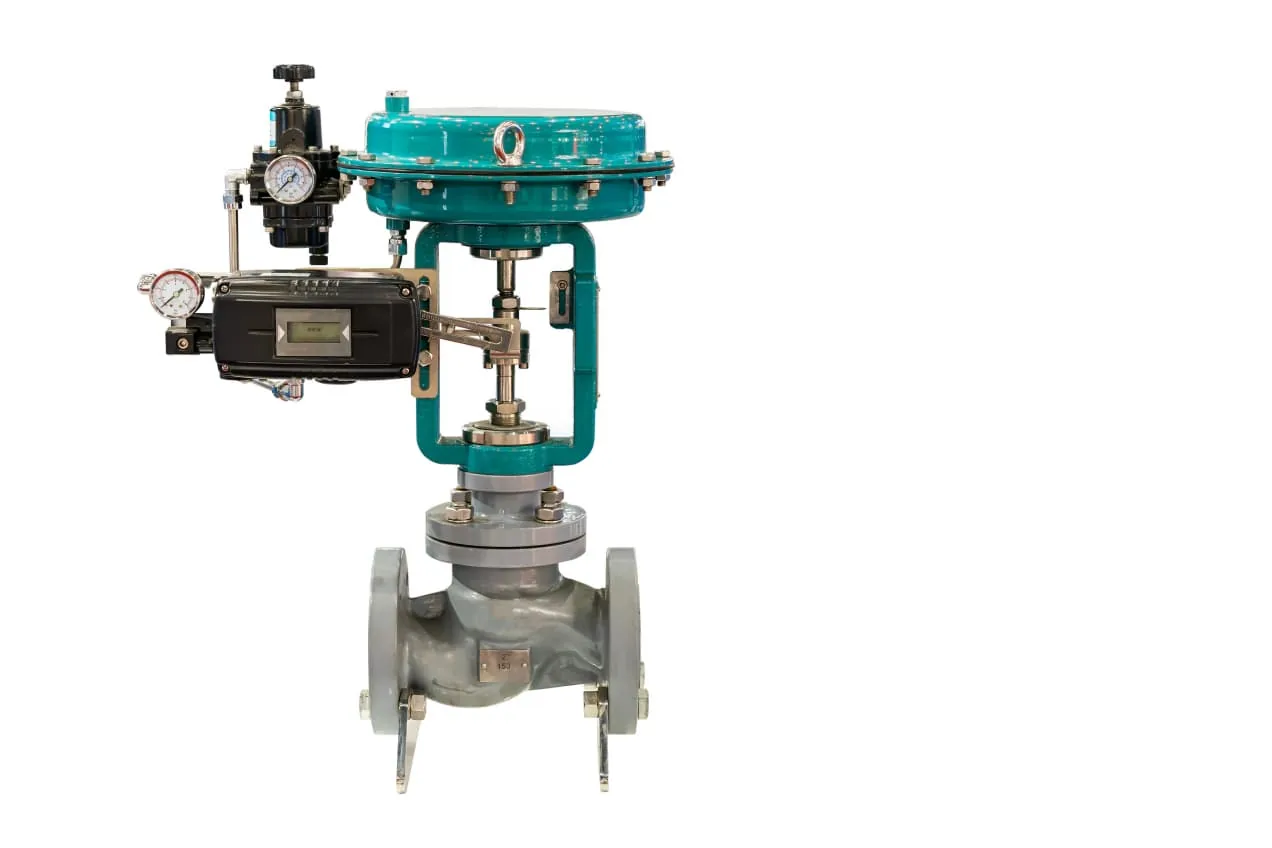
Corrosion of internal components or the actuator’s exterior surfaces can occur in corrosive environments, leading to performance degradation and potential failure.
The seals in the actuator can deteriorate or fail over time, resulting in air leaks, loss of pressure, and reduced actuator effectiveness.
In cold environments, moisture in the compressed air can freeze within the actuator, causing it to malfunction or become stuck.
Inadequate lubrication of moving parts can lead to increased friction, wear, and reduced actuator lifespan.
Applying excessive air pressure to the actuator can cause damage or failure, including rupture of internal components.
Pneumatic actuators often incorporate electrical components for position sensing or control. Failures in these electrical components or control systems can lead to actuator malfunctions.
To prevent and address pneumatic actuator failure modes, regular inspection, maintenance, and lubrication is essential. Additionally, monitoring air pressure and quality in the pneumatic system can help identify issues early. Proper training and safety procedures for personnel working with pneumatic actuators can also contribute to their reliable operation.
Get Full Access to Expert FMEA Insights
A structured approach to analyzing risks and ensuring better valve performance.