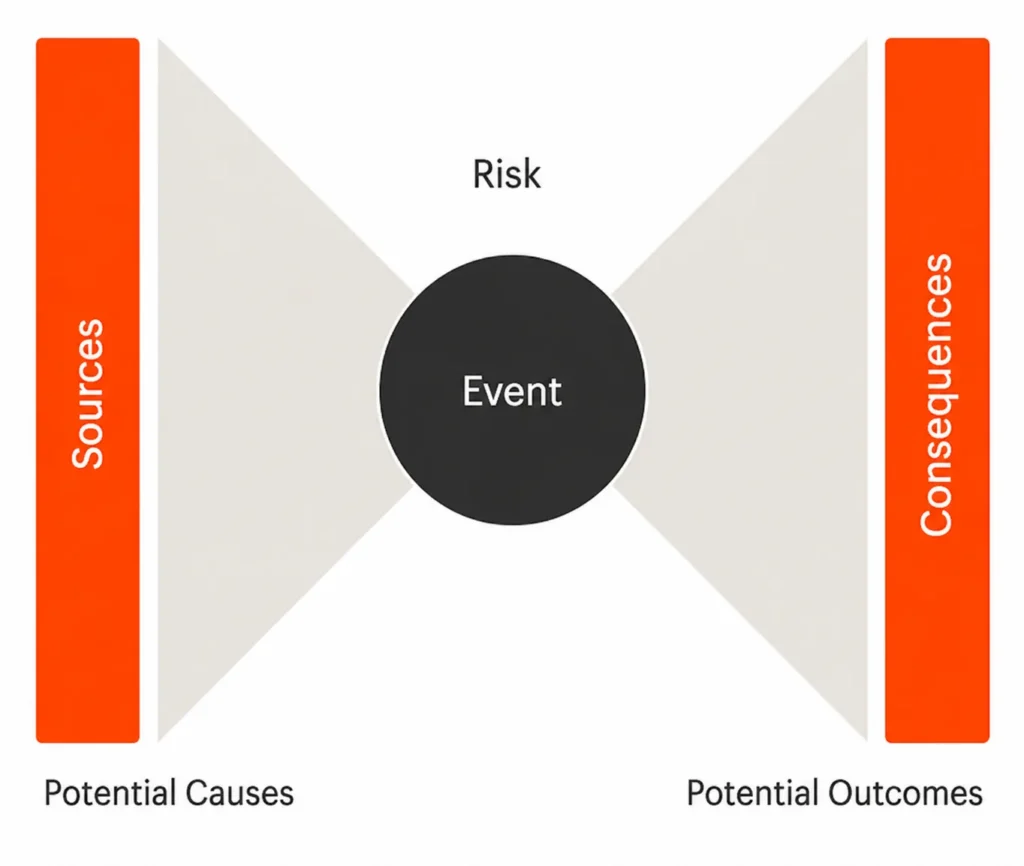
Bowtie Models in APM Studio
How Bowtie models in APM Studio map hazards to causes, consequences and barriers — and turn them into live, data-driven risk assessment.
Bowtie Models in APM Studio Read Post »
Home / Resources / FMEA, Bowtie & Risk
Browse by format Article
84Blog74Webinar60Video37News19Event12Tutorial11Case Study6Infographic6
Browse by topic Maintenance Strategy
138Data & Connectivity97Control Valves88APM Studio & Platform86AI, ML & LLMs44Servitization & Business Case37Pumps & Rotating Equipment33Alarms & Diagnostics32Energy & Sustainability29Digital Twin, DPP & AAS27Company News11P&ID & Process Insights6Heat Exchangers & Process5
How Bowtie models in APM Studio map hazards to causes, consequences and barriers — and turn them into live, data-driven risk assessment.
Bowtie Models in APM Studio Read Post »
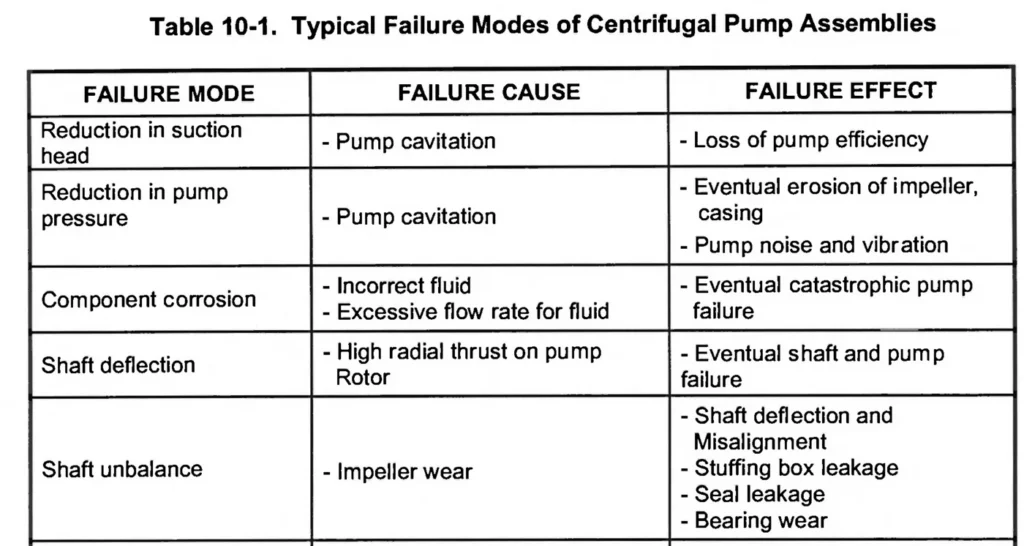
How Process Insights turns FMEA spreadsheets into interactive bowtie diagrams, helping engineers visualise risk, spot gaps and track changes.
The Bowtie You Never Had Time to Build Read Post »
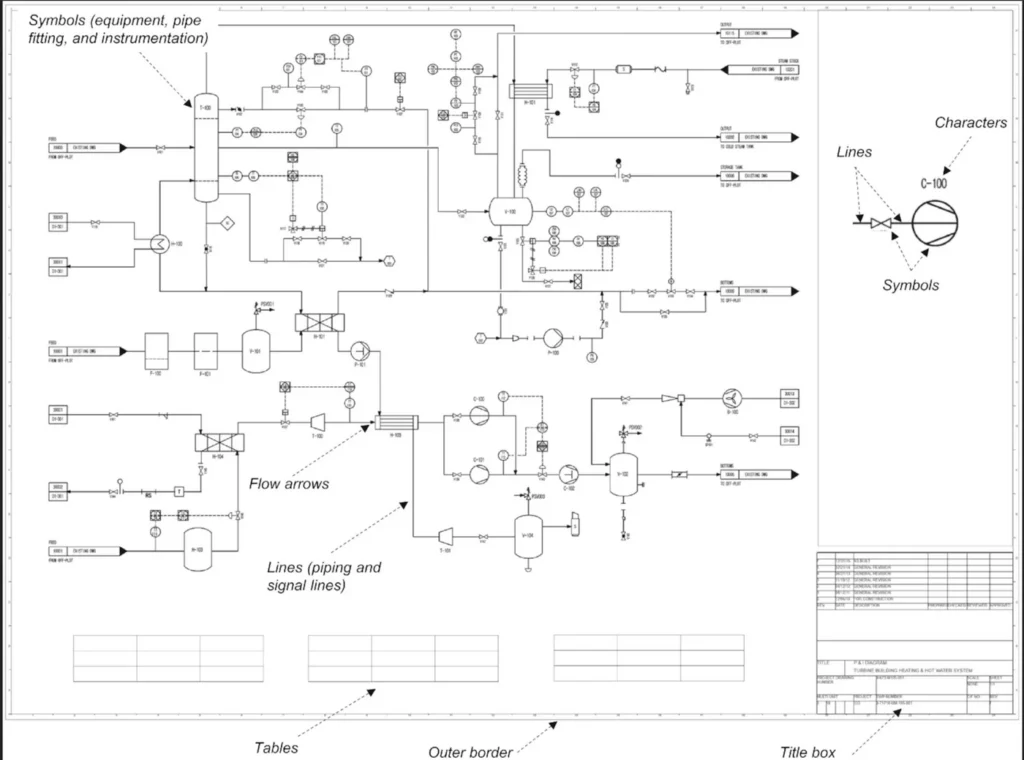
How Process Insights turns static P&IDs into interactive, searchable systems so engineers can trace assets and find connections quickly.
The P&ID Has the Answer. Getting It Out Is the Problem. Read Post »

A technical eBook on ACE (Automating Causal Extraction), a framework using Large Language Models to generate Bowtie diagrams from FMEA documentation.
ACE: LLM-Based Bowtie Diagram Generation from FMEA – eBook Read Post »
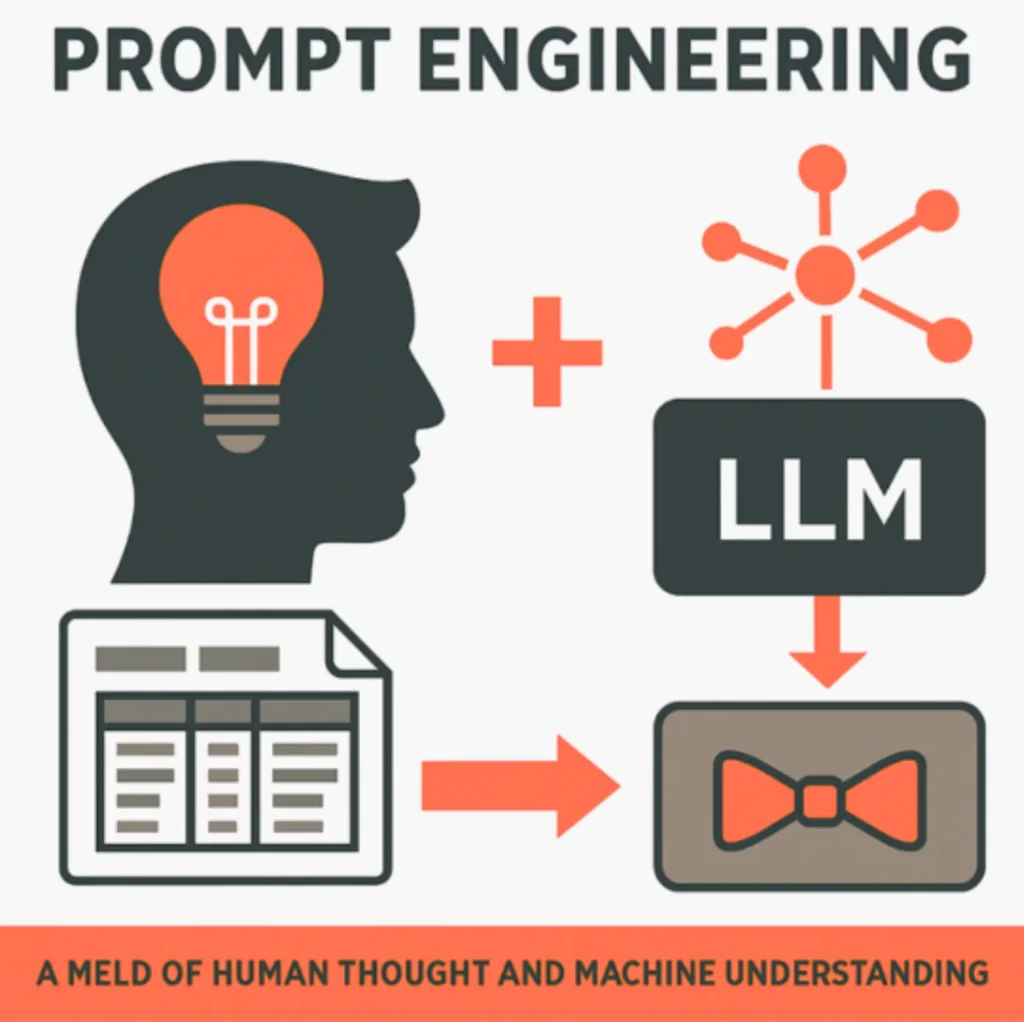
As LLMs grow more capable, the gap between vague and well-structured prompts matters more – especially in safety-critical tasks where accuracy counts.
Why Prompt Engineering Still Matters in the Age of Advanced LLMs? Read Post »
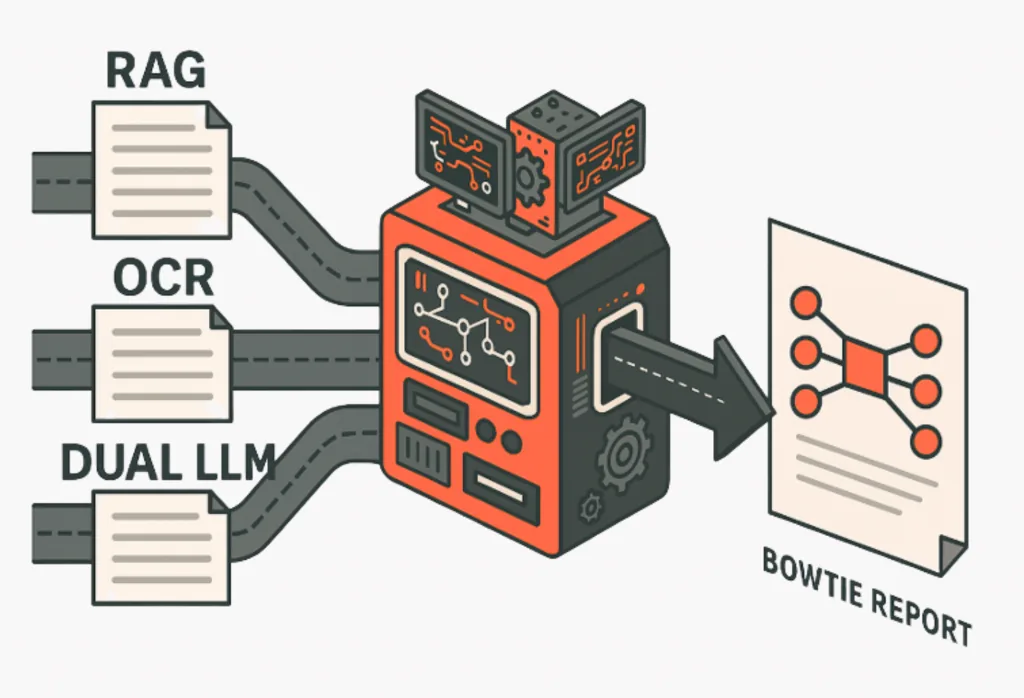
A quick comparison of three pipelines (RAG, OCR and Dual LLM) shows how each transforms different types of FMEA data into automated Bowtie diagrams.
Three Pipelines, One Goal: Comparing Bowtie Diagram Generation Methods Read Post »
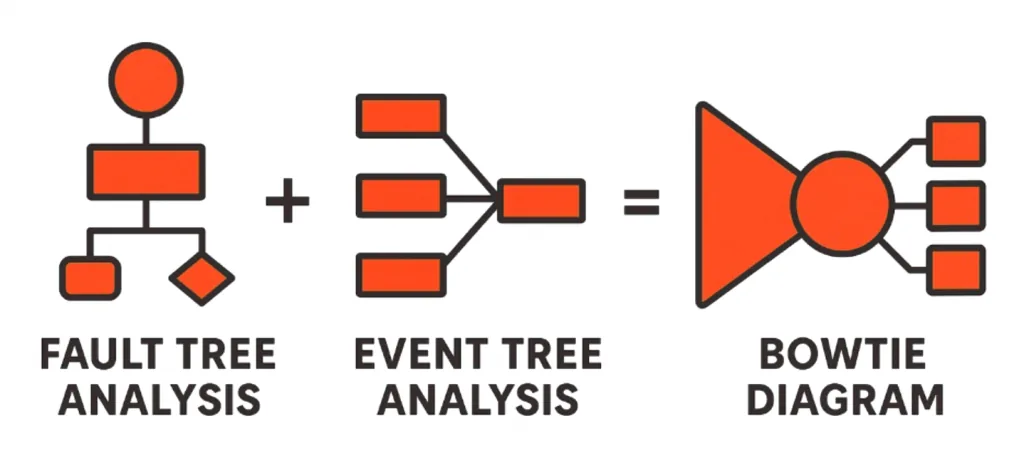
Large Language Models can turn time-consuming FMEA documents into automated Bowtie diagrams, making risk analysis faster and more consistent.
From FMEA Tables to Bowtie Diagrams: How LLMs Are Changing Failure Analysis Read Post »
How cause-consequence modelling helps you identify failure patterns, link root causes to consequences and improve reliability with smarter maintenance.
Easy Insights in Failures, Causes and Expected Consequences Read Post »

Wie Sie mithilfe von FME(C)A-Analysen und der Bow-Tie-Methode Risiken in Maschinen und Prozessen in Echtzeit erkennen und Ausfallzeiten vermeiden.
Risiken von Maschinen und Prozessen in Echtzeit beurteilen Read Post »

Learn how the Bow Tie method in predictive maintenance helps transform FME(C)A into real-time risk models that monitor failures and threats.
The Power of Bow Ties Read Post »
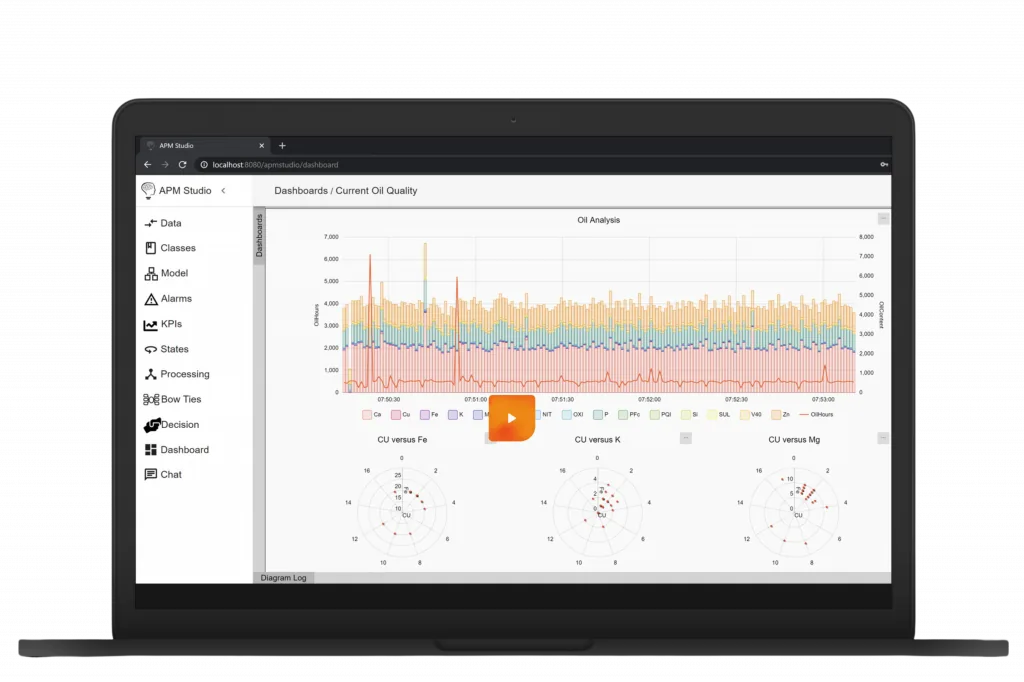
Explore APM Studio demos and see how real-time monitoring, predictive insights and interactive dashboards can optimise your asset performance.
APM Studio Interactive Demos Read Post »
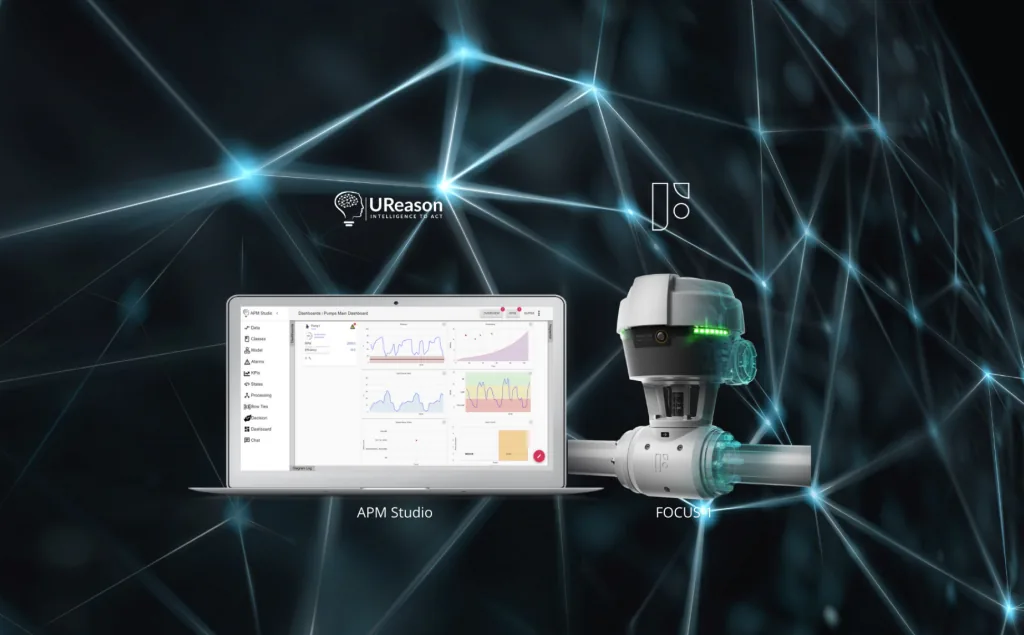
Headless deployment lets you embed APM Studio’s real-time analytics, machine learning and condition monitoring into your own branded applications.
White Label Your Solution Read Post »

APM Studio turns real-time data into action with integrated scripting, AI models, Bowtie risk assessments, and automated workflows in a scalable platform.
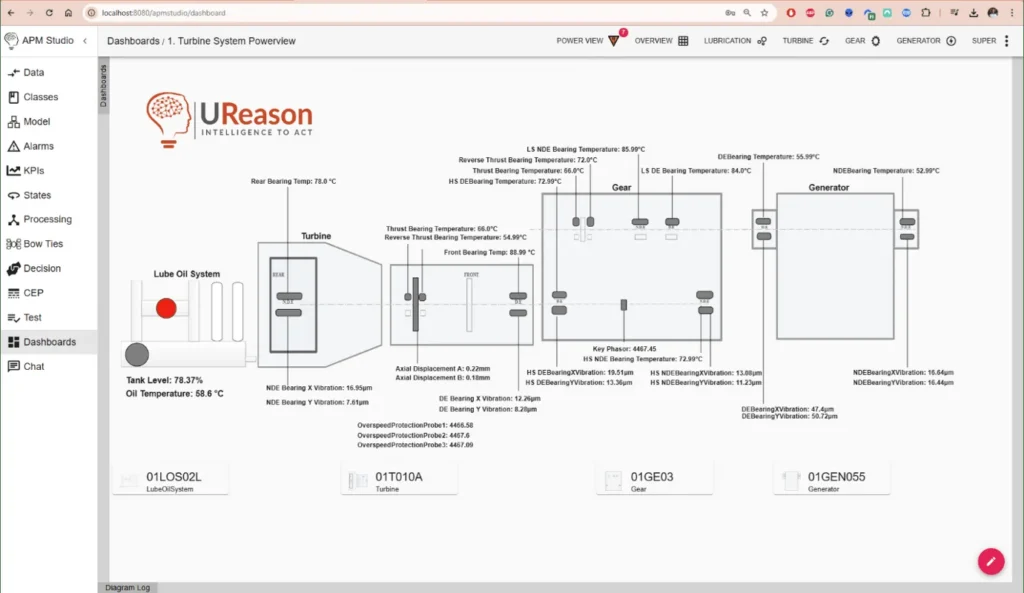
How APM Studio gives instant visibility into turbine health, with soft sensors for predictive analytics and BowTie-based alarm management.
Monitoring Critical Assets in Real Time Read Post »

Learn how to transform your asset management strategy by staying ahead of potential failures and ensuring continuous operation.
Real-Time, Data-Driven Risk Assessment for Your Asset Base Read Post »
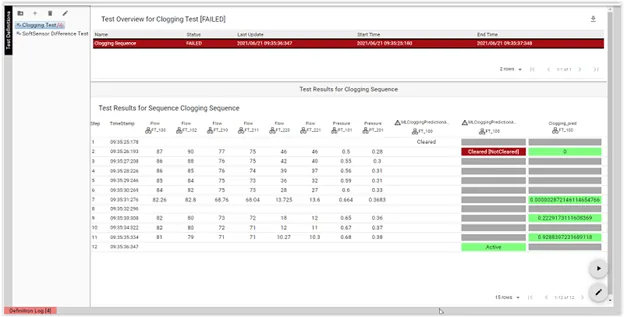
Test your rules, models and data processing before production: APM lets you feed offline data and watch the application run in APM Studio.
Test Definitions APM & APM Studio Read Post »
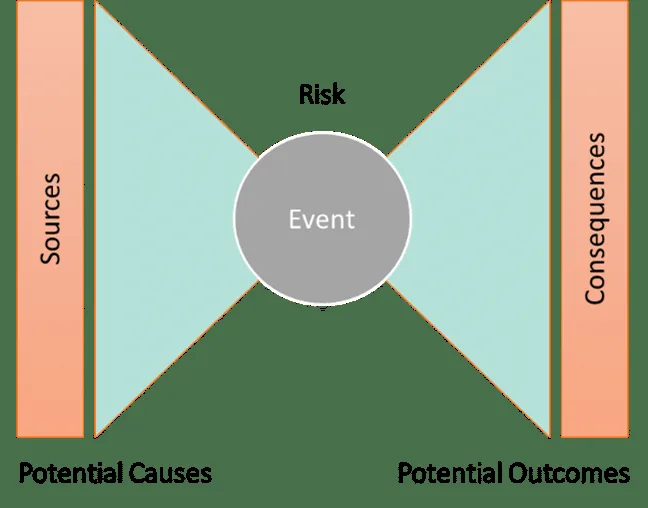
Bowtie models evolved from ways of visualising cause and consequence. The earliest mention of the diagram is credited to David Gill of ICI.
Bowtie Rules in APM & APM Studio Read Post »
A control valve failure causes downtime, product loss and safety risk. Regular maintenance, inspection and monitoring are essential to prevent it.
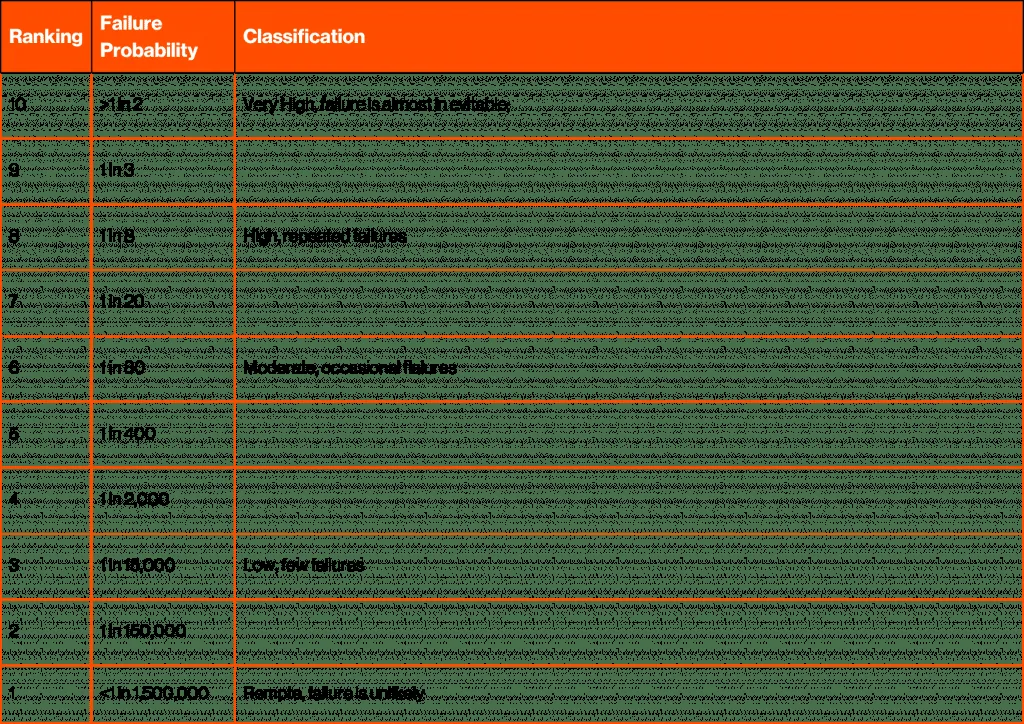
The Risk Priority Number – Occurrence x Severity x Detection – gives you a quantitative measure of which failure modes to focus on first.
FMEA or FMECA for your Assets? – Mapping Control Valve Failure Modes to an FMEA Read Post »
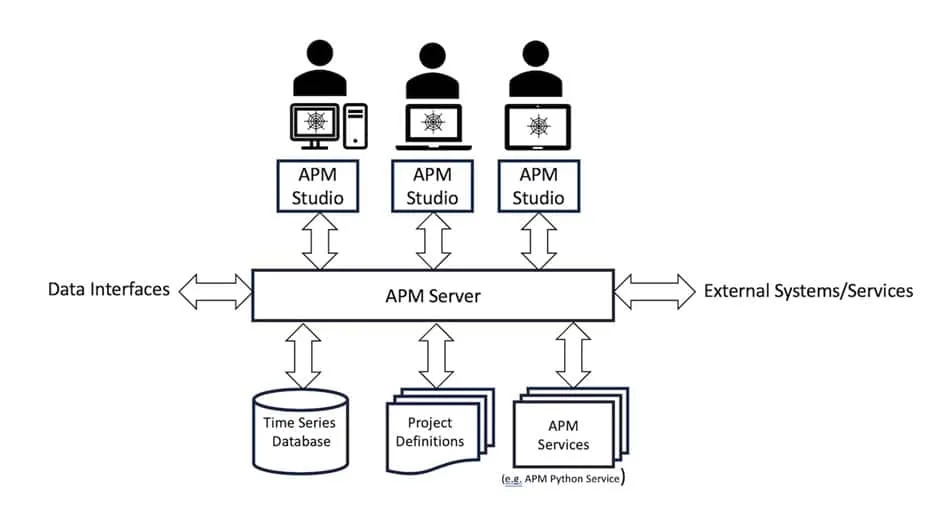
Learn how to quickly build solutions for Condition Based Monitoring (CBM), Predictive Maintenance (PdM) and deploy AI/ML models with APM Studio.
Introduction: APM & APM Studio Read Post »
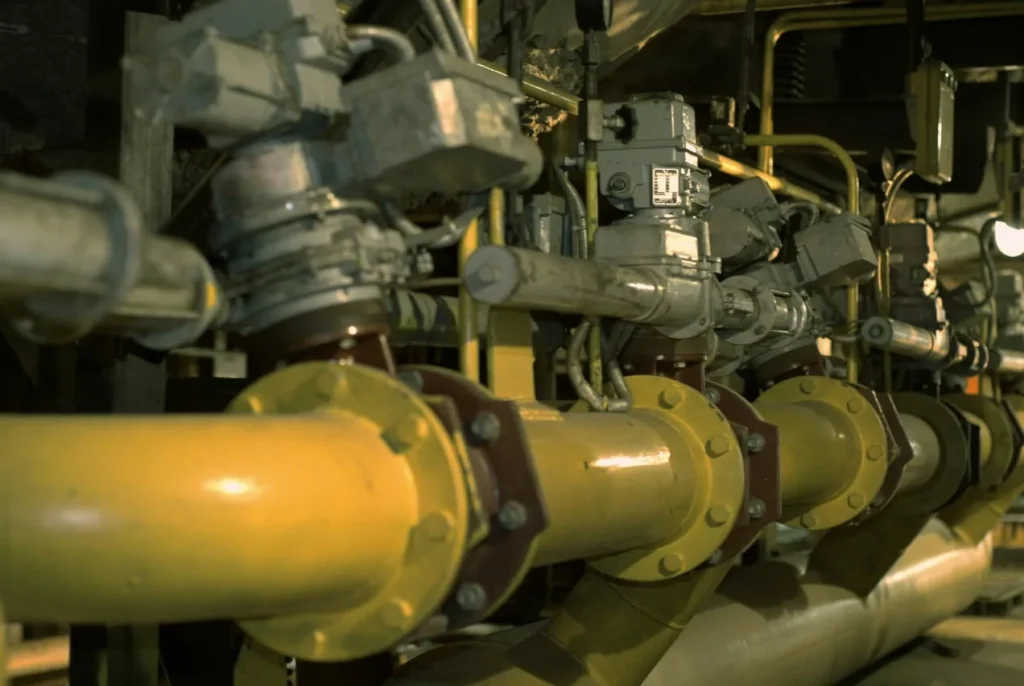
Solenoid valves control the flow of liquids and gases, and like any device they develop characteristic failure modes over time.
FMEA or FMECA for your Assets? – Failure Modes of Solenoid Valves Read Post »
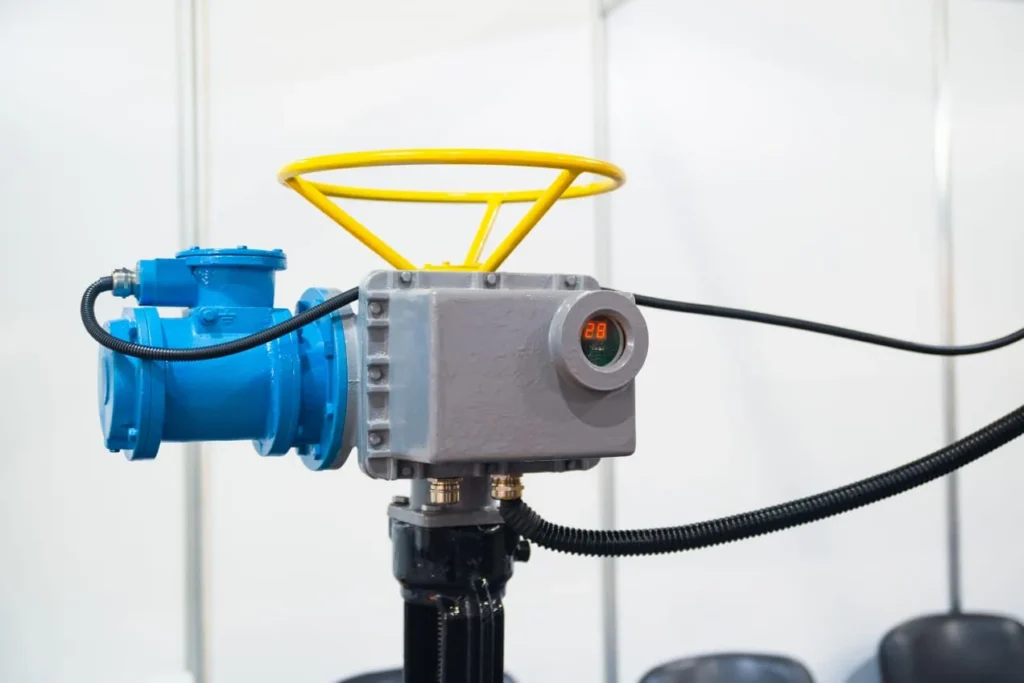
Electric actuators position valves, dampers and other mechanical components – and can experience several distinct failure modes.
FMEA or FMECA for your Assets? – Failure Modes of Electric Actuators Read Post »
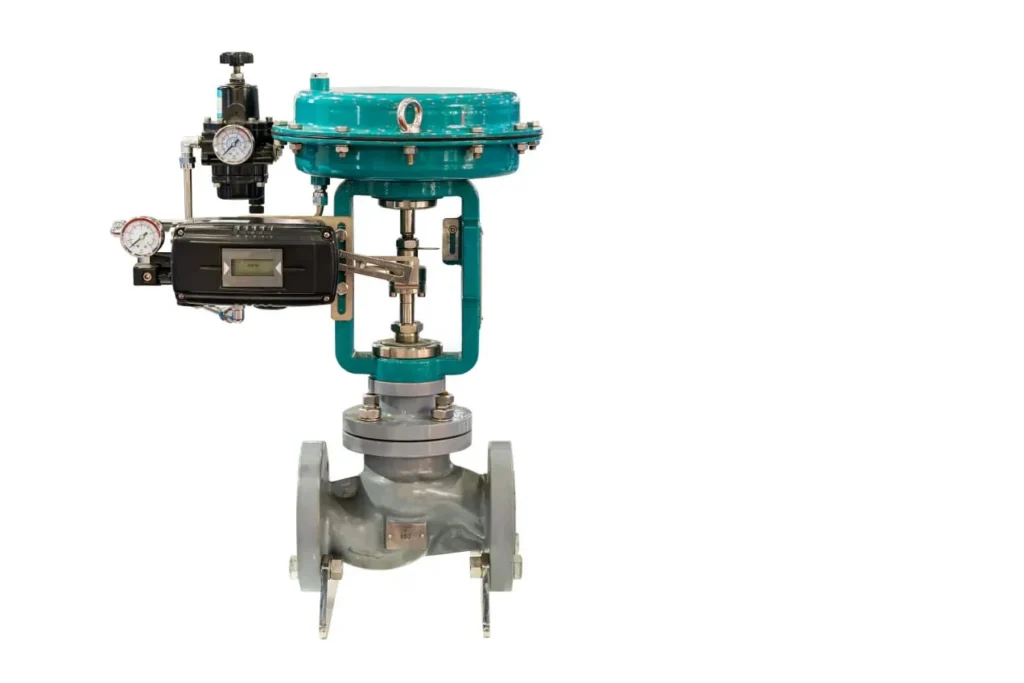
Pneumatic actuators use compressed air to move valves and dampers, and like any component they experience several characteristic failure modes.
FMEA or FMECA for your Assets? – Failure Modes of Pneumatic Actuators Read Post »

Control valves experience several failure mechanisms that degrade performance and affect the process. The common failure modes, explained.
FMEA or FMECA for your Assets? – Failure Modes of Control Valves Read Post »

Setting up an FMEA is a systematic process for identifying and prioritising potential failure modes and their effects. The general steps.
FMEA or FMECA for your Assets? – The Process of Establishing an FMEA/FMECA Read Post »
FMEA and FMECA both assess and improve the reliability, safety and performance of products and processes – but they differ in key ways.
FMEA or FMECA for your Assets? – Introduction to FMEA & FMECA Read Post »
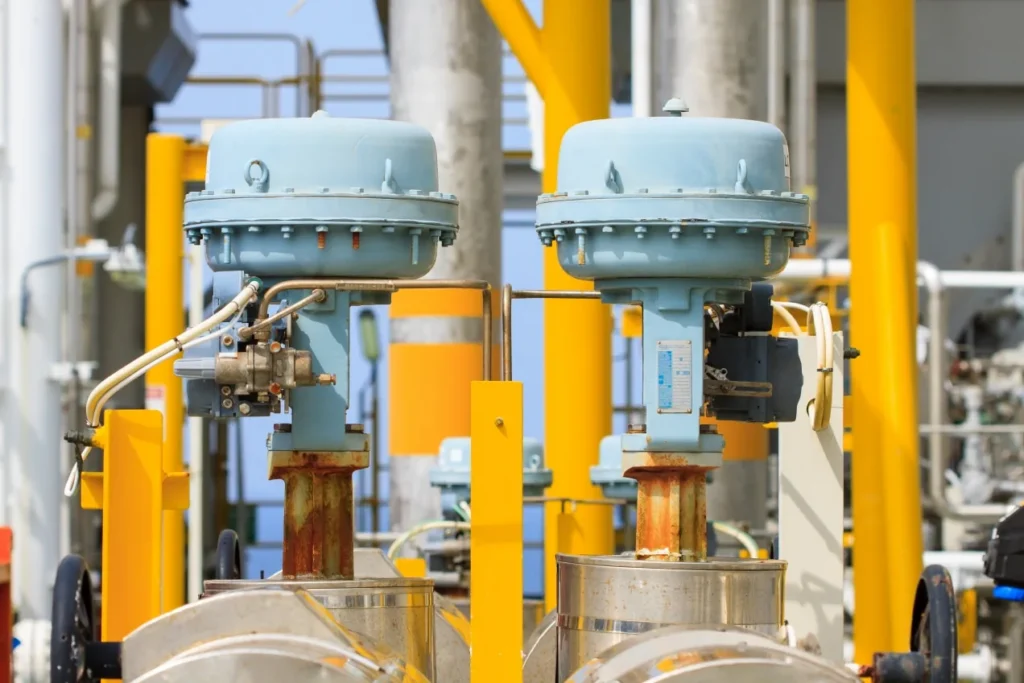
How UReason’s Control Valve App changed maintenance for a district heating utility, enabling predictive and prescriptive strategies.
Control Valves in District Heat Transfer Stations Need Help Read Post »

Regulation for asset owners is increasing, and so is risk. Handled properly, regulation can drive more production, more profit and more uptime.
Regulation and Risk Read Post »

The BowTie method explained for maintenance: what it is, how to apply it, and a step-by-step example, plus the truth about predictive maintenance.
The Power of Bow Ties Read Post »
Aus vorhandenen FME(C)As lassen sich Echtzeit-Anwendungen entwickeln. Bow Ties überwachen Maschinen und erkennen Abweichungen rechtzeitig.
Risiken von Maschinen und Prozessen in Echtzeit beurteilen Read Post »

With the Bowtie method you can turn your existing FME(C)A and failure models into real-time cause consequence models that monitor asset failures.
How to do real-time, data driven, risk assessment on your asset base? Read Post »

Failure, cause and consequence models – Bowtie models – improve maintenance operations, extend remaining useful life and cut downtime.
Easy Insights in Failures, Causes and Expected Consequences Read Post »

BowTies in the maintenance domain: how barrier risk models support real-time condition monitoring, with a step-by-step example.
The Power of Bow Ties Read Post »

Thinking of investing in predictive maintenance? Learn the ROI, risks, and how to choose the right assets.
Invest in Predictive Maintenance? Benefits and Risks of Investing in PdM Read Post »