In July 2024, the European Union brought into force the Ecodesign for Sustainable Products Regulation (ESPR) — a landmark framework designed to raise product sustainability standards in the EU market. Unlike the previous Ecodesign Directive focused mainly on energy-related equipment, the ESPR empowers the EU to set ecodesign requirements for virtually all physical products placed on the EU market. These requirements aim to improve durability, reparability, resource efficiency, recyclability, recycled content and overall environmental footprint of products sold in Europe.
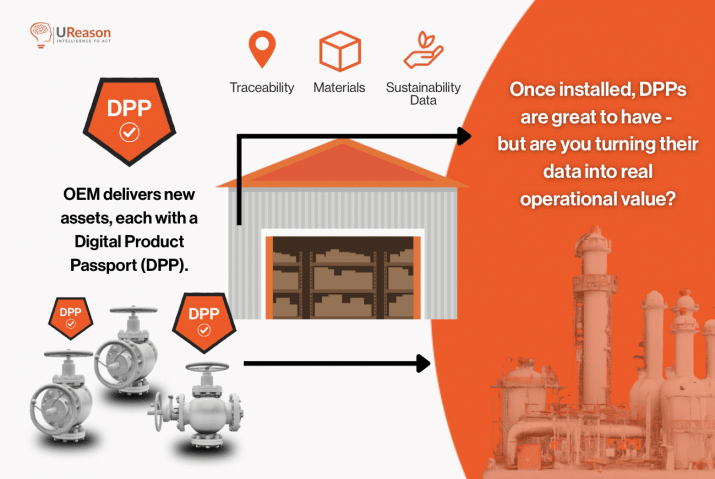
A central pillar of the ESPR is the Digital Product Passport (DPP) — a digital record that stores structured sustainability information about a product, including materials, life-cycle impacts, repair and recycling instructions, and more.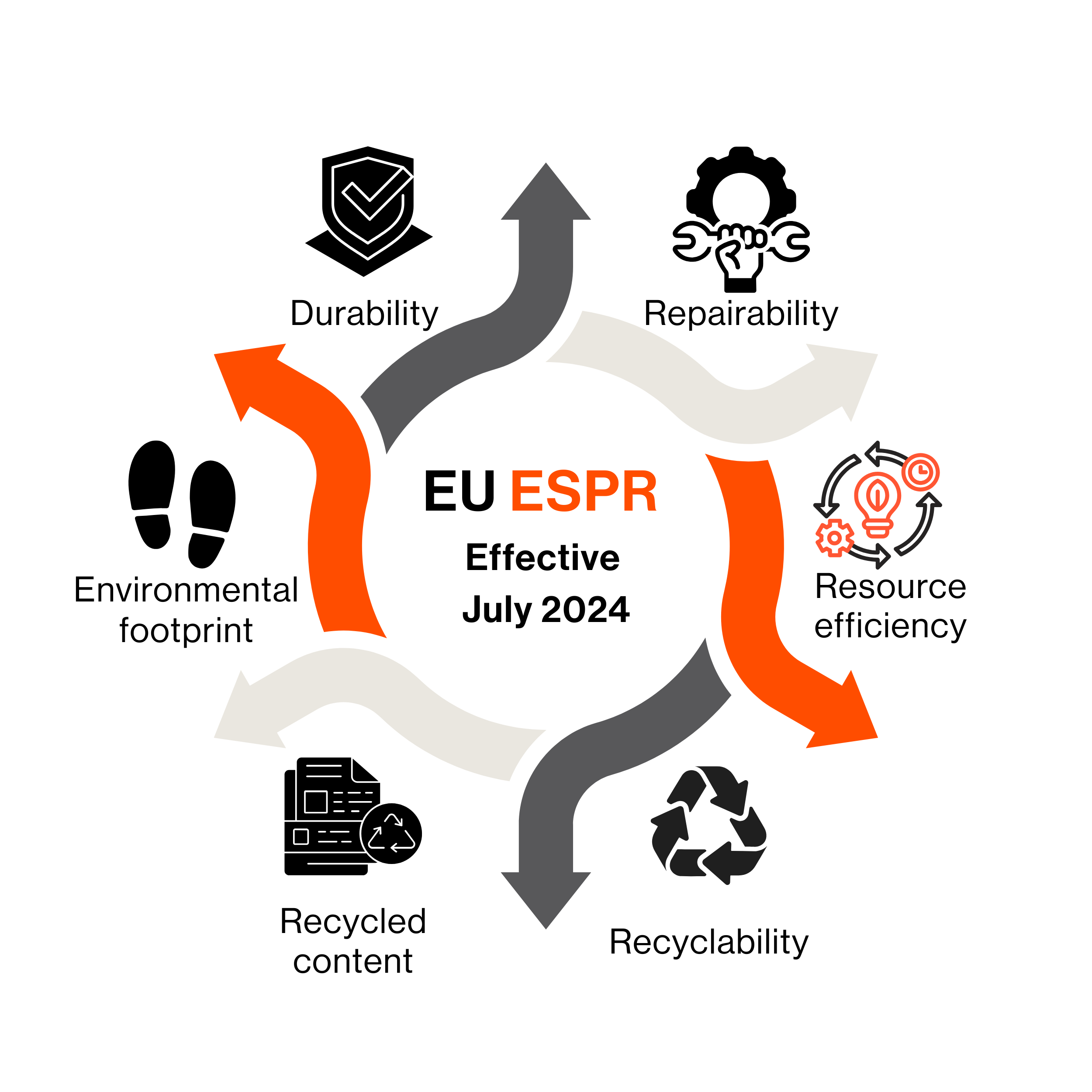
For OEMs this isn’t just another compliance tick-box. It reshapes how products are designed, documented, tracked, and sold within the EU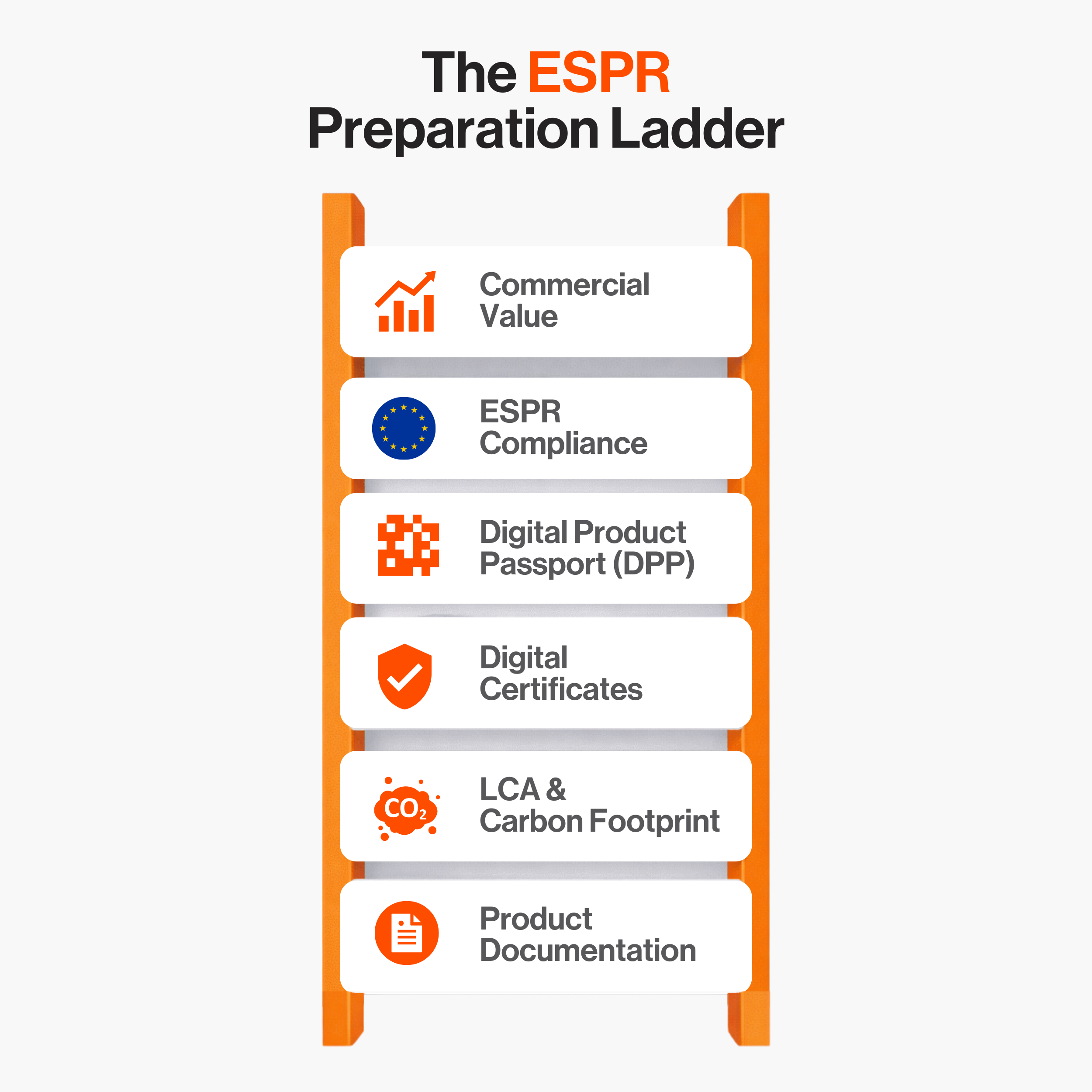
Linking ESPR with Digital Certification and Carbon Reporting
ESPR is one part of a broader European sustainability architecture. The DPP is the data backbone of ESPR compliance. For product categories covered by delegated acts, OEMs must produce a DPP containing relevant sustainability data. This data must be accessible, interoperable, and verifiable — and will often be tied to digital certification systems such as verified business identities or EU digital wallets to ensure authenticity.
While ESPR itself does not mandate corporate carbon disclosures, it can intersect with carbon reporting initiatives:
Under the Corporate Sustainability Reporting Directive (CSRD), large companies must report greenhouse gas emissions — including Scope 3 value-chain emissions — using standardized metrics developed through the European Sustainability Reporting Standards (ESRS).
Carbon footprints at the product level — often calculated with life-cycle assessment (LCA) methodologies — will feed into both CSRD carbon disclosures and the product-specific data required in DPPs over time, especially as delegated acts define what emissions data must be captured.
In this way, OEMs that already invest in robust product carbon footprinting, digital certificates, and quality data systems can leverage that infrastructure toward both ESPR compliance and broader ESG reporting.
Do OEMs Outside the EU Need to Adhere to ESPR?
Yes, the ESPR applies to any product placed on the EU market, regardless of where it is manufactured. Imported products must be accompanied by a valid Digital Product Passport where required, and the entity that places the product on the EU market (often an importer or distributor) bears responsibility for ensuring compliance.
This means non-EU OEMs, even those producing entirely outside Europe, must:
- Produce or delegate the creation of a DPP for relevant products
- Ensure product designs meet future delegated act requirements (repairability, recycled content, etc.)
- Work with EU-based authorised representatives or partners if needed for market access
This approach aligns with the EU’s non-discriminatory treatment of domestic and foreign suppliers, ensuring that compliance is tied to market access rather than geography.
Want to Make a Jump Start with Your DPP?
For OEMs, the ESPR is more than compliance — it’s a transformational shift toward sustainable product lifecycles and transparent, data-driven value chains. While the regulation imposes detailed documentation and data requirements — especially through the Digital Product Passport — it also creates opportunities to:
- Differentiate products on sustainability credentials
- Streamline internal digital processes
- Align product data with wider sustainability reporting mandates like CSRD
- Expand market access across the EU
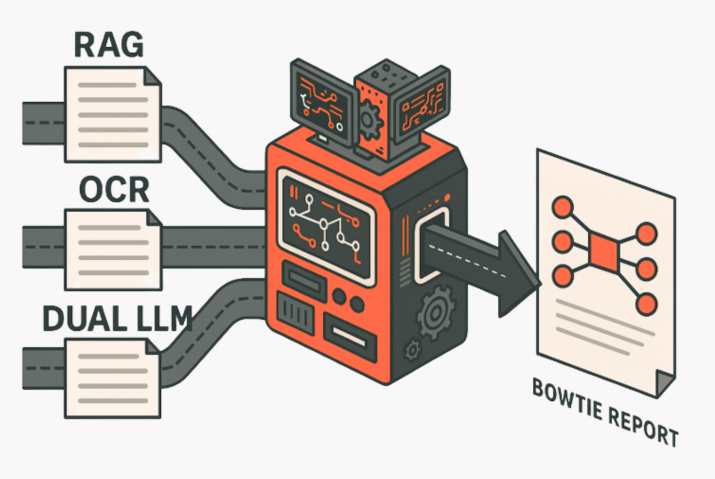
OEMs that prepare early — with robust data systems, LCA practices, and digital certificates — will not only meet regulatory thresholds but also unlock commercial value in a sustainability-driven European marketplace. If you have not started with your products DPPs contact us – we have developed a DPP generator that uses your existing product documentation to get you jump-started.
Prepare early for ESPR and Digital Product Passports
OEMs that act early on ESPR and DPPs can turn compliance into commercial value. Schedule a call with Artur Loorpuu, Senior Solutions Engineer in Digitalization, to see how your existing product documentation can be used to generate DPPs and build a robust data foundation for future delegated acts.